Category: Onshore Oil and Gas

  • Quick facts about the Australian petroleum industry

    Quick facts about the Australian petroleum industry

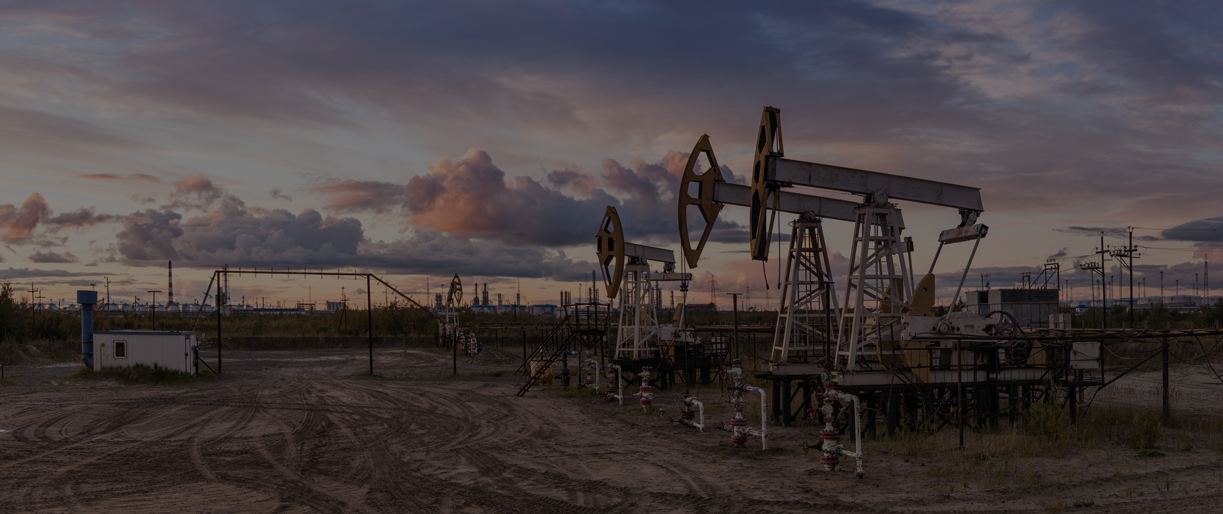
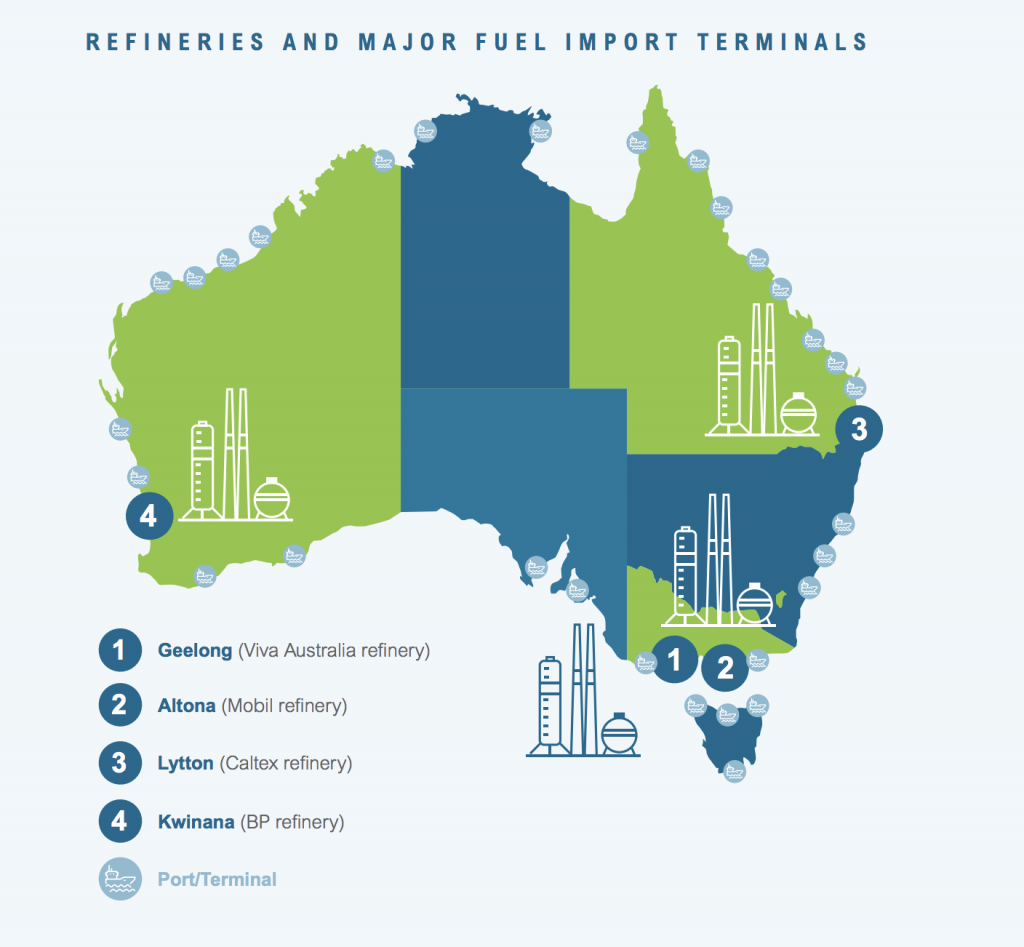
    There have been many changes in the Australian petroleum industry since oil was first produced and sold in 1886. As it stands, the four refineries in Australia now meet approximately 64% of petrol demand onshore and 48% of overall fuel demands.

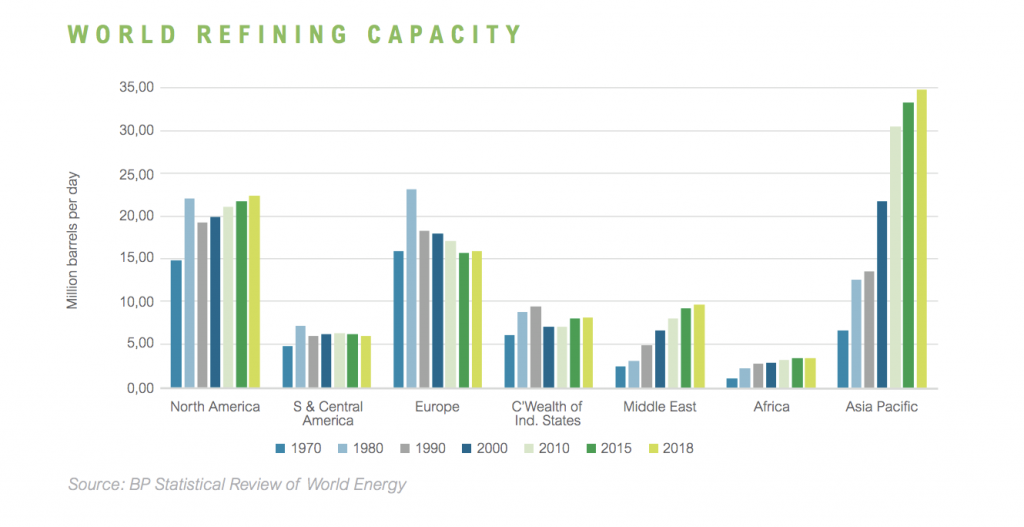
    The growth of Australian petroleum imports reflects the gap between the fuel demand onshore and the production of petroleum from Australia’s 4 refineries, which are in constant competition with Asian counterparts.
    Overall decline in petrol use

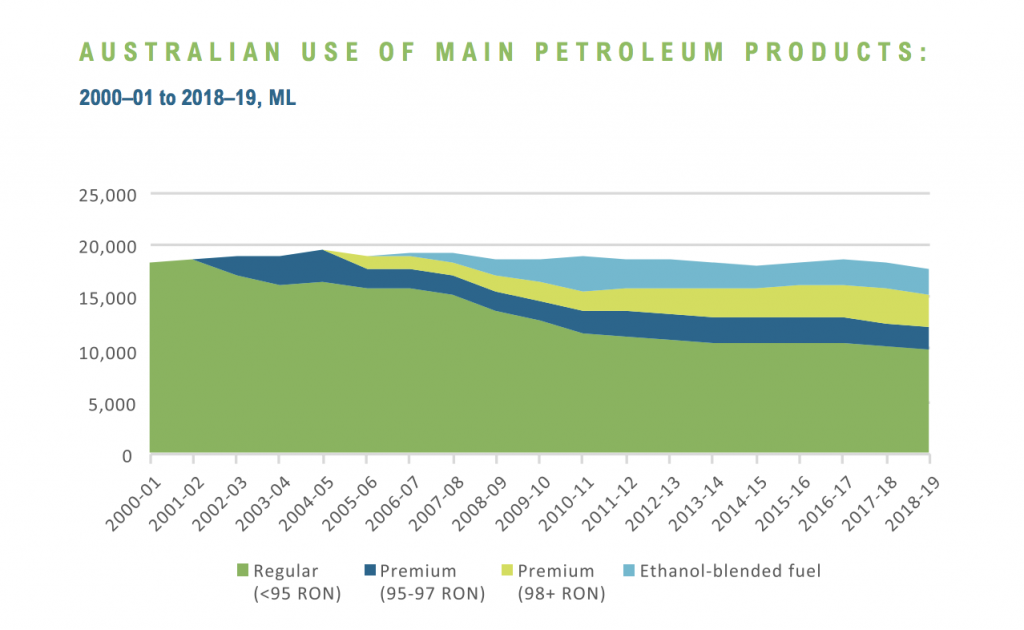
    In addition to the competition from Asian imports, there is an overall decline in petrol usage in Australia. Australians are using 3% less fuel, which can be contributed to Australians purchasing new vehicles with better fuel efficiency. There’s also a decline of more than 45% in the use of regular unleaded petrol (ULP), with new vehicles recommending higher octane fuels or ethanol blends.

    Australians are using 3% less fuel, which can be contributed to Australians purchasing new vehicles with better fuel efficiency.
    To maintain a strong foothold in the industry, Australian refineries have had to revaluate their operational efficiencies, cost control and look at integrating into the petroleum markets in Asia.

    Our PTFE Hoses improve efficiency

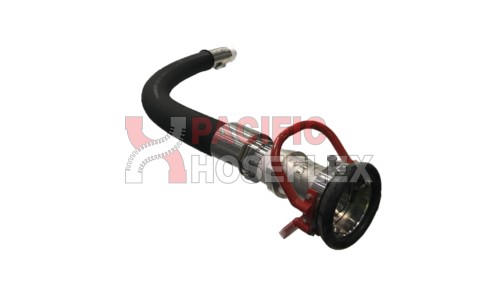
    At Pacific Hoseflex, we design an great range of fluid transfer solutions to improve operational efficiencies and reduce costs. Our high quality PTFE hoses are strong and durable, lasting approximately 10 times longer than other products on the market, while reducing maintenance and downtime.

    Our high quality PTFE hoses  last approximately 10 times longer

    As well as improving the efficiency of refineries, there has also been a substantial investment in pipeline infrastructure, domestic storage facilities and refinery reliability and productivity, to secure Australia’s place in the worldwide petroleum market.

    Refineries contribute to the local economy

    Every year Australian refineries spend hundreds of millions of dollars contributing to the local economy. They purchase goods and services and create employment and business opportunities for countless Australians.
    Over $2 billion invested into cleaner fuels

    Over the last decade, the Australian petroleum refining industry has invested more than $2 billion to the Cleaner Fuels Program.

    The Australian State and Territories’ Cleaner Fuels Program is an initiative to produce petrol and diesel fuels that contribute to a reduction in the amount of motor vehicle emissions. With a focus on creating both high quality fuels and the environmental performance of fuels, including biofuels, this initiative is taking a future forward approach to the ongoing sustainability of the industry.

    About Pacific Hoseflex

    Pacific Hoseflex is an industry leader in engineering fluid transfer products. As a 3rd generation Australian owned and operated business, our focus is on delivering superior quality hoses and fittings, along with professional customer service and trusted advice.

    Our certified products are built strong and durable, and hold the quality-assured stamp of approval across manufacturing (ISO 9001), workplace health and safety (ISO 45001) and environmental (ISO 14001) work practices.

    If you would like to know more about our range of hoses and fittings, call us on

    QLD: 07 5539 4292 or email salesqld@hoseflex.com.au

    WA: 08 9468 2840 or email saleswa@hoseflex.com.au

    References:

    https://www.aip.com.au/sites/default/files/download-files/2020-04/Downstream%20Petroleum.pdf
  • 5 Oil spills the world will never forget

    5 Oil spills the world will never forget

    Oil spills have had a devastating effect on the environment. After an oil spill companies face huge clean-up costs and major damage to their reputation which subsequently costs millions and millions of dollars. Past oil spills have been caused by damaged or faulty pipelines, oil tanker collisions, accidents or faults on oil rigs, human error and some have even occurred on purpose. Recovery time can be decades, for both the environment and the companies involved, highlighting the importance of effective spill prevention methods and quality parts, hoses and fittings.

    Let’s look back through history at some of the biggest oil spills throughout the world.

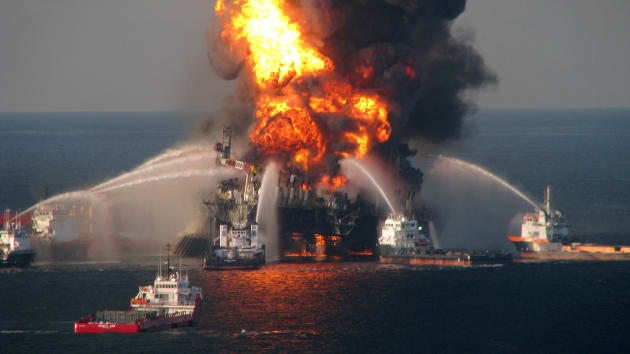
    Deepwater Horizon Oil Spill – 2010

    This massive oil spill occurred in the Gulf of Mexico on the 20 th of April 2010. More than 2000 km of the US coastline from Texas to Florida was covered with oil when hundreds of millions of litres of oil was released after gas in the rig riser’s platform ignited. 11 workers were killed and another 17 were injured during this accident. BP was ordered to pay more than US$65 billion in compensation to those who’s lives were affected by the disaster.

    Deep Water
    Source: Getty Images

    M/T Haven – 1991

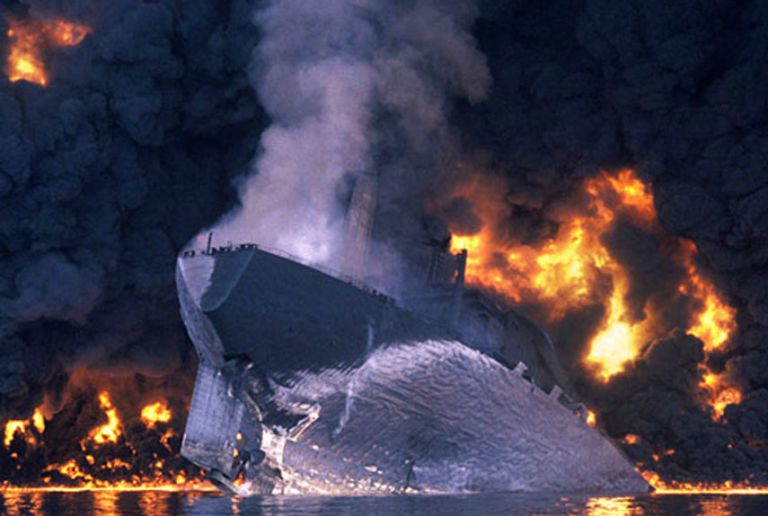
    When there were problems with a routine fuel transfer, a huge explosion on the M/T Haven ended with the tanker broken in two and sinking into Italian waters. Flames reached 100 metres into the air and six crew members died. Approximately 290,000 barrels leaked into the water, affecting the coasts of Italy and France for years to come.

    Mt Haven
    Source: Romano Cagnoni/Getty Images

    Kovla River Pipeline leak in Russia– 1983

    Recorded as one of the biggest land oil spills in history, the Kovla River Pipeline was gigantic. In August 1983 the pipeline leaked more than 300 million litres into the surrounding streams and marshes devastating the local environment.

    The Persian Gulf War oil spill – 1991

    In January 1991 one of the largest oil spills occurred in the Persian Gulf, Kuwait. And it wasn’t an accident.

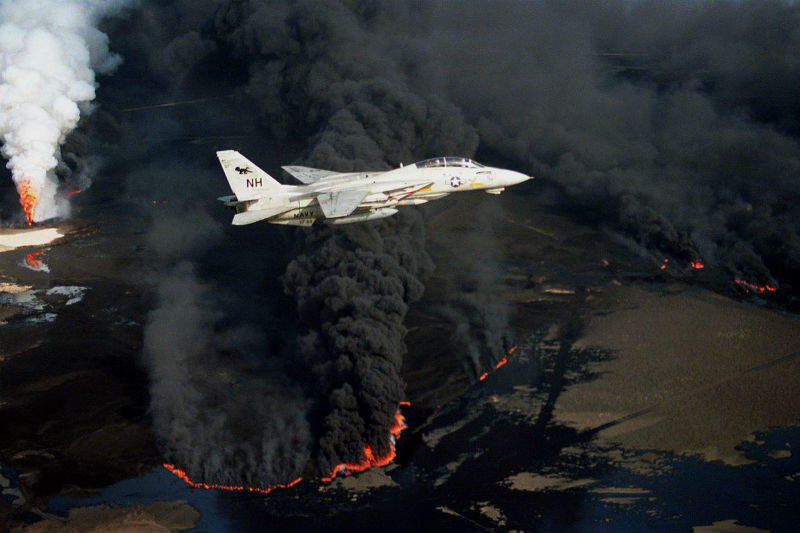
    During the Gulf War Iraqi forces deliberately released hundreds of millions of litres of oil from the pipeline of Kuwait’s Sea Island terminal into the Persian Gulf to stop the coalition from landing on the shore. Some believe this to be the worst oil spill in history, and the fact that it was on purpose makes it even worse.

    Gulf War
    Source: Steve Gozzo

    Ixotoc 1 – 2010

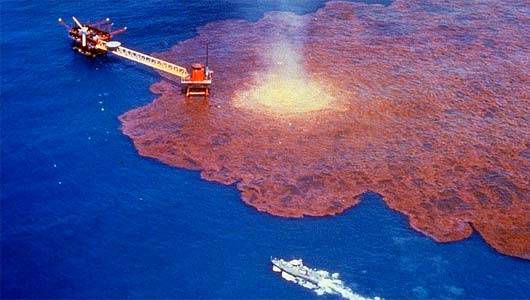
    One of the biggest oil spills in history, a blowout on the exploratory oil well ‘Ixotoc 1’ caused a pressure imbalance that sent more than 3 million barrels of oil gushing into the ocean. Located in the Gulf of Mexico, the oil continued to leak into the ocean from June to March the next year and cost approximately US$283.9 million to clean up.

    Ixtoc
    Source: The Office of Response and Restoration

    How can Pacific Hoseflex help your company protect itself against spills?

    Here at Hoseflex we stock a range of Marine Klaw couplings that are manufactured with marine safety at the forefront. These couplings are built to ensure maximum efficiency while minimising risk to assets, personnel, the environment and of course reputation.

    We know that some oil spill cannot be prevented due to accidents or human error, but by investing in high quality couplings for your product transfer applications you’re protecting your company against downtime and clean-up costs, litigation, injury, increases in insurance policies and investment costs. These Klaw couplings are suited to all transfer applications where protection must be fitted between two sections of flexible hose.

    We also stock a range of hoses purpose built for offshore use. These include potable water hoses, mud and oil hoses, abrasive delivery hoses as well as stainless steel hoses and PTFE hoses.

    Statement: certification etc.


    SOURCES:

    www.britannica.com/list/9-of-the-biggest-oil-spills-in-history
    www.cleanerseas.com/10-worst-oil-spills-in-world-history/
    www.washingtonpost.com/news/energy-environment/wp/2016/02/25/california-gas-leak-was-the-worst-man-made-greenhouse-gas-disaster-in-u-s-history-study-says/
    www.environmentandsociety.org/tools/keywords/gulf-war-oil-spill-man-made-disaster
    blog.arcadia.com/10-biggest-oil-spills-in-history/
    www.cnbc.com/2010/04/29/The-Worlds-Worst-Oil-Disasters.html

  • 6 Things You Didn’t Know About The Oil and Gas Industry

    6 Things You Didn’t Know About The Oil and Gas Industry

    As we leap into the next decade, the oil and gas industry continues to play a vital role in Australia’s economy. The industry is evolving, and several major Australian oil and gas companies are leading the way regarding sustainability and innovative new technology. From using AI technology to improve safety to renewable energy for a more sustainable future, it’s hard to keep up with the latest innovations and changes taking place within the oil and gas industry.

    Here are a few things you might not know.

    The industry is moving towards a more sustainable future:

    Companies within the oil and gas industry are continually implementing new practices and technology to work towards a more sustainable future. Companies are increasing their environmental awareness. They are adopting practices to help prevent and manage their environmental impact, as well as ensuring all equipment and procedures meet international standards.

    The oil and gas industry reimagined:

    Australia Oil and Gas Industry leader Bernadette Cullinane said, “the drive towards a low carbon future is creating new opportunities for the oil and gas sector”. She said this move was “leading many in the oil and gas industry to fundamentally reimagine what the energy company of the future looks like”.

    Renewable energy to become standard:

    Innovations within the oil and gas industry are helping companies convert to renewable energy, aiming for a time in the future when 100% renewable energy is the industry norm. In 2018 Santos announced they received $4.2 million in funding to convert 56 remote crude oil beam pumps to solar and batteries. Projects like this are leading the way to help convert the oil and gas industry to renewable energy.

    Lithium production to increase:

    As we see the increase of battery power, the demand for lithium production is also expected to escalate. Companies such as Lithium Australia have been working hard to present solutions to reduce the environmental impact lithium mining has on the planet. Lithium Australia has been developing a way to recover the lithium found in waste streams and improve the sustainability of the industry.

    LNG supply in the mining sector:

    Western Australia is responsible for more than half of the world’s iron ore exports and every year more than 3 billion litres of diesel is used to supply heavy transport, and more than 5 billion litres is used to ship the iron ore to market. To support the move towards lower emissions, Woodside Energy is supporting the transition to LNG fuel. From their Pluto plant in the Pilbara region of WA, Woodside is working with partners to build bulk carrier ships fuelled by LNG with the aim of replacing diesel with this cleaner-burning fuel. In 2017 Woodside Energy announced that they chartered Australia’s first LNG Fuelled platform
    supply vessel, and it has been in operation for the past 2 years.

    Digitalisation and New Technologies

    Thanks to several innovations and the enthusiastic adoption of technologies such as AI, automation and machine learning, the oil and gas industry is paving the way to stand at the forefront of digitisation. With the addition of robotics and AI, the oil and gas industry is working to improve efficiency, safety and productivity throughout operations.

    Embracing new technology – robotics and AI:

    The oil industry is always working towards new preventative measures for oil spills and developing cutting edge technology to improve procedures. New AI technology, such as robotics, is helping the oil and gas industry move ahead in leaps and bounds. In 2017 Woodside Petroleum announced the use of a NASA humanoid robot to improve safety and perform tasks in high-risk environments. Innovations such as this, combined with the use of high quality, certified fittings and equipment on the ground, shows how oil companies can pave the way for change and safer industry standards.

    Support for digitisation and technology:

    In November 2019, Accenture opened a state-of-the-art innovation hub in Perth, joining other hubs around the globe to assist mining companies transition into digitisation and in turn improve sustainability and tap into technologies such as VR, quantum computing, Blockchain and drones. The hub aims to encourage industry innovation and put Australia on the map as world leaders when it comes to expanding technologies in the mining industries.

    Pacific Hoseflex is an industry leader, supplying quality, certified hose supplies and fittings for the oil and gas industry.

    We are certified to ISO 14001 Environmental Management Systems Standard.

    For lithium production, our PTFE hoses and Slickflex hoses can be used for chemical dosing. They are the most chemical-resistant products on the market and have a greater lifespan than many other hoses available. If you’re looking for certified hoses and fittings, our KLAW Marine2 Breakaway Couplings have a reputation for their high quality and ability to minimise risks in offshore transfer.

    With leading safety features, durability and reliability, these couplings help minimise the risk of damage and spillage.

    Ready to upgrade or replace your natural gas hoses and fittings?

    Our Vitalflex and Vapflex hoses are a popular choice, proving to be safe, reliable and durable. With Pacific Hoseflex we give you the peace of mind that our products meet all environmental and safety regulations. If you’d like to know more about our certification or which hoses fit your purpose, call us on 07 5593 4292 or email salesqld@hoseflex.com.au.

  • 10 reasons expansion joints fail

    10 reasons expansion joints fail

    Expansion joints are an essential component of many piping systems, designed to add flexibility, to reduce stress and to compensate for movement, misalignment, vibrations and other variables. 

    Metal expansion joints include bellows which work like a sealed spring to allow expansion, flexibility and movement. Without expansion joints, pipes and hoses could crack or break under various pressures, compromising your entire piping system. 

    Expansion joints can fail for many reasons, the most common are:

    Incorrect design

    Good communication with your expansion joint manufacturer is essential. Expansion joints need to be designed with the end purpose in mind. Failure can occur when the manufacturer isn’t aware of the axial, lateral or angular movements that will be experienced during operation. 

    It’s also necessary to know if flow liners need to be used to combat high-flow velocity or erosion. If abrasive media exists, a flow liner will increase the life span by protecting the metallic bellow. 

    The manufacturer needs to know the normal operating temperature, including the highest temperature of material used in the piping system. This will ensure the joints can handle the temperature, and the pressure rating of the bellow decreases as the temperature increases. 

    Incorrect installation

    If expansion joints are installed incorrectly there’s an increased risk of failure. Failure can occur when joints with internal liners are installed in the reverse direction in terms of flow, shipping devices are removed too early, there isn’t adequate protection from mechanical damage caused by work around the system or if welding is being conducted in the area of the expansion joint. 

    It’s vital that expansion joints are positioned in the correct location as recommended by engineers, approved design drawings and Pacific Hoseflex.

    Rubber Expansion Joints

    Inadequate pipe supports

    It’s important to use anchors and guides to hold the bellows in place, if they aren’t used the expansion joints can move, causing failure. Bellows should never be stretched or compressed to fit in position, this will compromise the performance of the bellow. 

    Bellow corrosion

    Corrosion can occur internally and externally. To avoid failure, you should flush/clean all piping systems with clean water after chlorides are passed through the hoses and expansion joints. If you don’t, chlorides will settle in the bellows causing corrosion. 

    Bellow cracking and stress

    Failure in the expansion joints can occur when an excessive amount of vibration or movement causes cracks in the bellows. Expansion joints need to be designed and built with the expected movements in mind. 

    Contact with chlorides

    Constant exposure to harsh chemicals such as chlorides can expose expansion joints to corrosion. When dealing with these types of chemicals it is recommended to consider super alloys and PTFE expansion joints

    Over pressurised

    Over pressurisation from hydrotesting, in service or when the flow is induced can cause high cycle fatigue. 

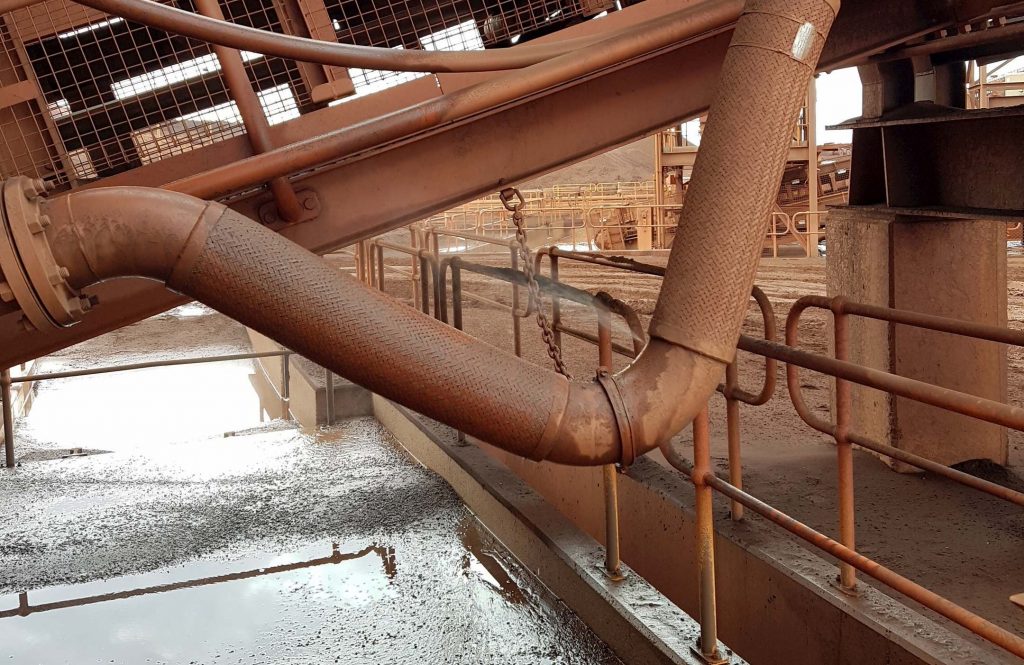
    20180610 083919 E1576715662261 1024x665


    Machinery/part failure

    Failures can occur when machinery or parts fail, for example the relief valve, or if there is a pressure surge in the pipework. 

    Seismic activity

    Earthquakes can have a detrimental affect on pipework. To avoid this, expansion joints such as the Vitaflex® Seismic Joints can be used in locations where seismic activity is more frequent. 

    Seismic joints allow movement in any direction during earthquakes and will protect equipment by allowing boilers, chillers, fan-coil units and other systems to move freely. The Vitaflex® Seismic Joints can be certificate to Watermark, AGA, Welding and oxygen standards.


    Nrah Hospital Seismic Joints

    Excessive bellow deflection

    Another reason expansions joints can fail is when the expansion joint isn’t designed to withstand excessive bellows deflection, in terms of axial, lateral and angular deflections. 

    There are many ways to avoid expansion joint failure. If you’d like to learn more about expansion joints, and how we can manufacture them to meet your needs, contact the professional team at Pacific Hoseflex on 07 5593 4292 or email salesqld@hoseflex.com.au

  • PTFE Lined Pipe

    PTFE Lined Pipe

    Teflon Lined Pipe

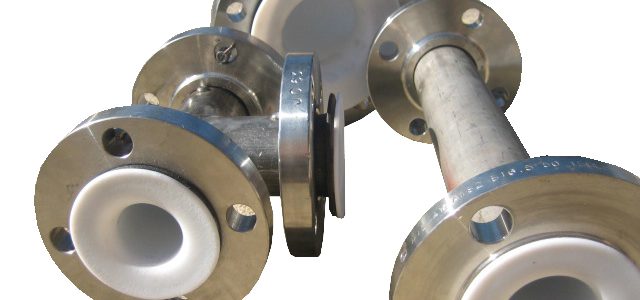
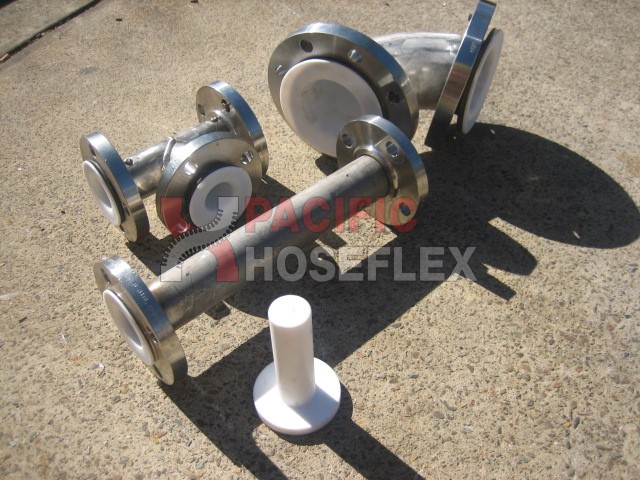
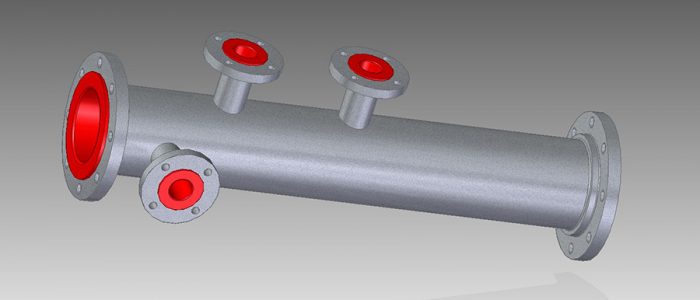
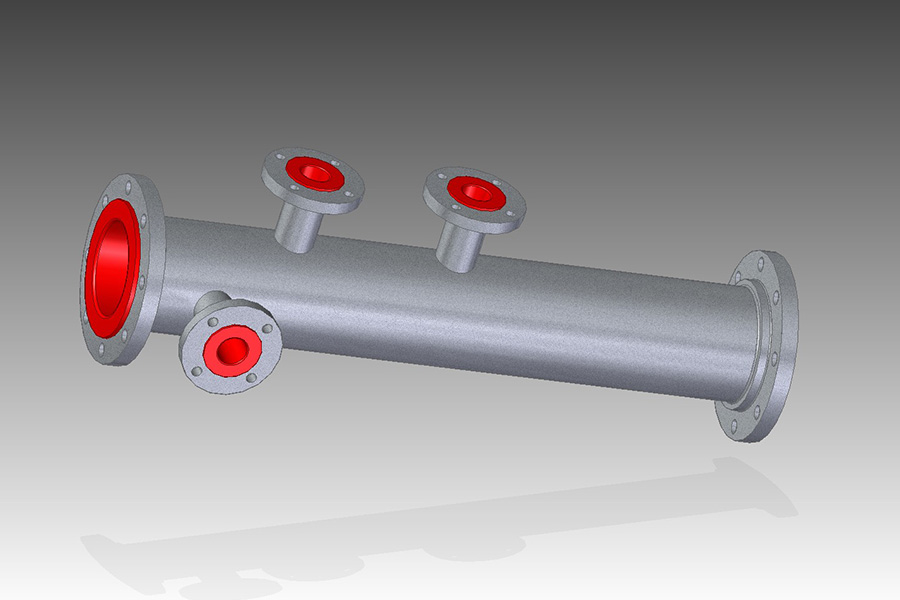
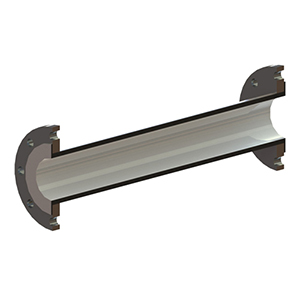
    PTFE lined pipes are plastic lined pipes commonly used in many industrial applications such as transferring chemicals, substances in refineries, pesticides, petrochemicals, steel materials, food and beverages, alcohols, acids, pharmaceuticals, circuit breakers, fertilisers and mineral extracts from desalination. These plastic lined pipes are suitable to be used in a range of industries, from pharmaceutical to food and beverage and chemical.

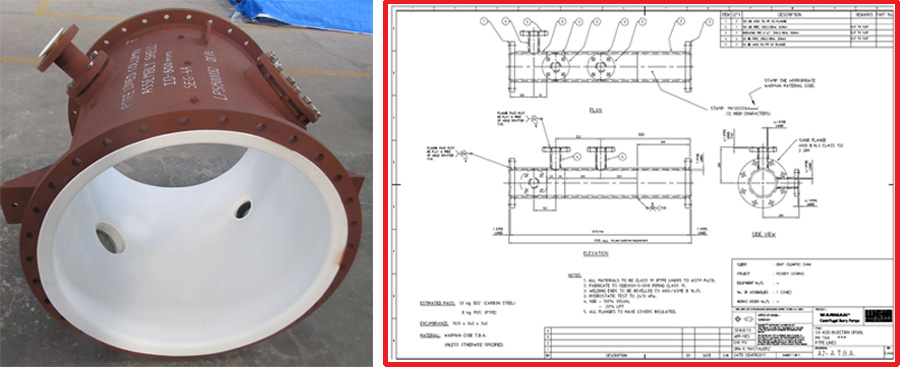
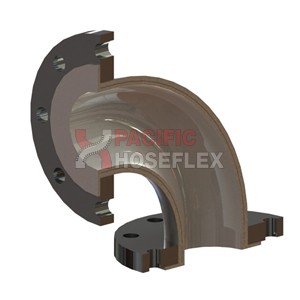
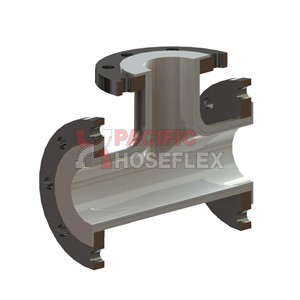
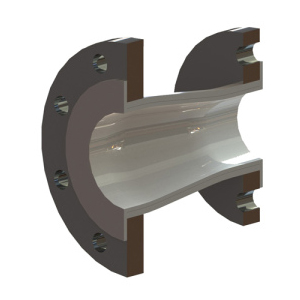
    Our lined pipes are versatile and durable for various types of applications. At Pacific Hoseflex we specialise in manufacturing Teflon Lined Pipes in various configurations to meet diverse application needs. This includes straight spools, tee pieces, cross sections, 90 degree and 45  degree elbows and concentric and eccentric reducers. To ensure the highest quality and safety standards, we provide certification of welding to AS 4041 and ASME IX structural standards. This certification guarantees that our PTFE lined pipes meet stringent industry requirements, providing reliable and efficient performance in demanding environments.

    Pacific Hoseflex Teflon Lined Pipes are manufactured to the highest standards, ensuring exceptional durability and performance in a variety of industrial applications. Our commitment to quality means that every pipe undergoes rigorous testing and inspection to meet stringent industry specifications. This attention to detail guarantees that our PTFE lined pipes offer superior resistance to chemicals, high temperatures, and corrosion, making them ideal for demanding environments.

    A range of liners are also available: PTFE, PFA, PVDF, PP, FEP, ETFE

    Click here to see related PTFE lined pipe products.

  • Offshore Hoses

    Offshore Hoses

    DID YOU KNOW?

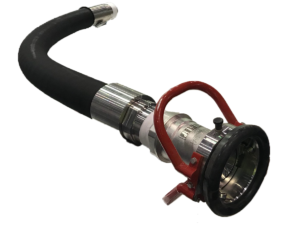
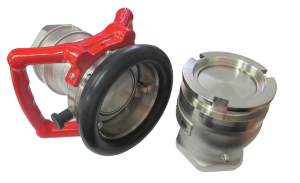
    Pacific Hoseflex assemble custom assemblies for the oil and gas industry. Our hoses include Abrasive, Potable Water, Mud and Oil Hoses and Composite Hoses. They also supply endless hose accessories such as hose floats, rope lag and whip checks. Pacific Hoseflex are the Exclusive Distributor of Klaw Products which includes a range of Breakaway Couplings, Dry Disconnect Couplings, Emergency Release Couplings.

    OUR FLEXIBILITY – YOUR SOLUTION

    FOR OIL & GAS APPLICATIONS

    Bunkering HoseVITALFLEX® Flexible Metallic HoseKlaw Products

    Bunkering Hoses

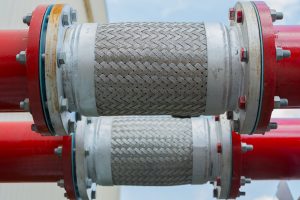
    Flexible Metallic Hose

    Metallic Hose 2

  • Pacific Hoseflex presents to you… VITALFLEX™

    Pacific Hoseflex presents to you… VITALFLEX™

    INTRODUCING

    Pacific Hoseflex presents to you… VITALFLEX™

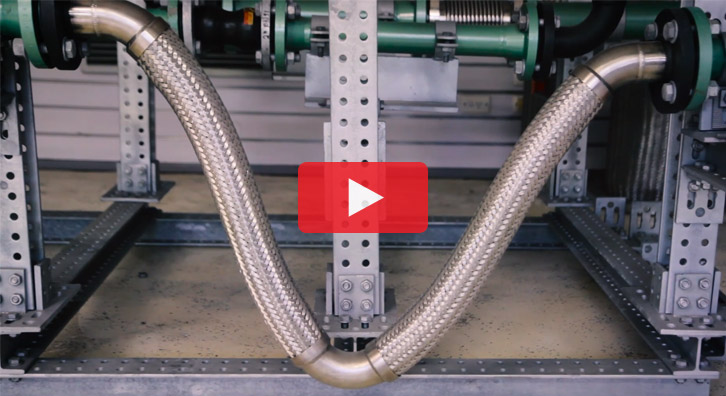
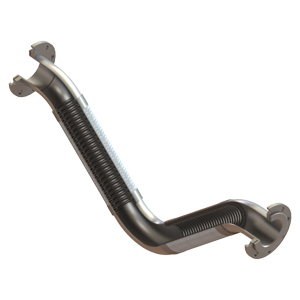
    VITALFLEX™ is the most resilient metallic hose in the global market.


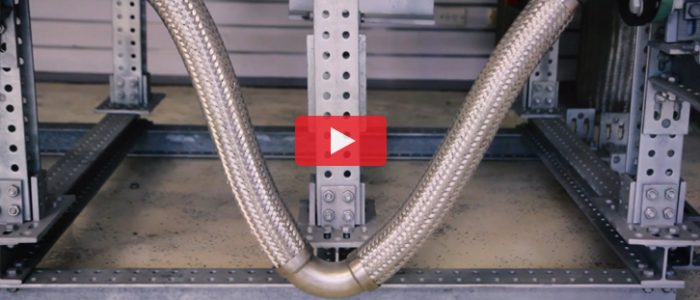
    V Shape with Flange

    High Pressure Hose

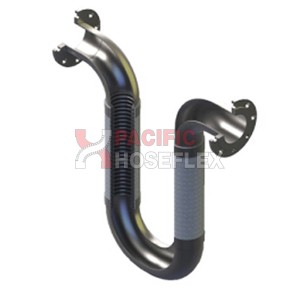
    Seismic Joints U Shape

  • Pacific Hoseflex Produces Specialised Quality Products

    Pacific Hoseflex Produces Specialised Quality Products

    Pacific Hoseflex is an engineering company that produces specialised quality products, we just happen to make lined piping products.

    Designed and Engineered in Australia and Europe

    Staight lined Spools

    90 deg lined Spools

    Tee lined Spools

    Cross lined Spools

    Concentric Reducer

    45 deg lined Spools

  • Beam and Support Solution

    Beam and Support Solution

    Modular4D
    The modular steel construction allows easy mounting on site without welding. ModularSteel 120 and 80 are characterized by few system components and high availability. The system ensures ultimate customer satisfaction. Flexibility for clients and high protection against corrosion help save time and money.


    Modular4D enables you to reach all support locations in a three dimensional space. The 4th dimension is the time you save during the period of the project – time for planning, manufacture and modification of the plant.

    Skid


    –  Modular Bolted Skids

    –  No Welding /No Hot Works

    –  Flexibility – mm Adjustment

    –  Adapt/Clamp to structures and beams

    –  Easy Erection, Time Saver, Money Saver


    [button link=”https://hoseflex-restore-old.h.thrivex.io/product-category/pipe-supports/” size=”large” target=”_blank or _self” icon=”>” color=”blue,” lightbox=”true or false”]View Full Range of Pipe Supports Click Here >[/button]